The bill to “save” college sports may end up needing its own saving.
On Wednesday, Senate majority leader John Thune filed cloture on the motion to proceed on the Protect College Sports Act. It’s the first procedural step toward a full floor vote before the August recess, but timing was already a hurdle. By Thursday, a few more had been added.
The biggest new hurdle came from the Congressional Black Caucus, which announced its opposition to the bill. A portion of the statement from caucus chair Yvette D. Clarke read:
“Black athletes have transformed college athletics into one of the most successful enterprises in America. Yet the people most affected by this legislation have not been meaningfully included in shaping it.
“Despite months of negotiations and multiple Senate hearings, the legislative process has failed to meaningfully incorporate the perspectives of Black athletes, Black coaches, Black agents, HBCUs, or the Congressional Black Caucus, despite the disproportionate impact this legislation will have on those communities. Meaningful engagement is measured by results, not meetings.
“No legislation that disproportionately affects Black athletes should move through Congress without meaningful participation from the communities it will most directly affect.”
CBC opposition to the House version of the bill, the SCORE Act, proved to be an insurmountable hurdle. It figures to be just as significant for the PCSA.
But it’s not the only obstacle.
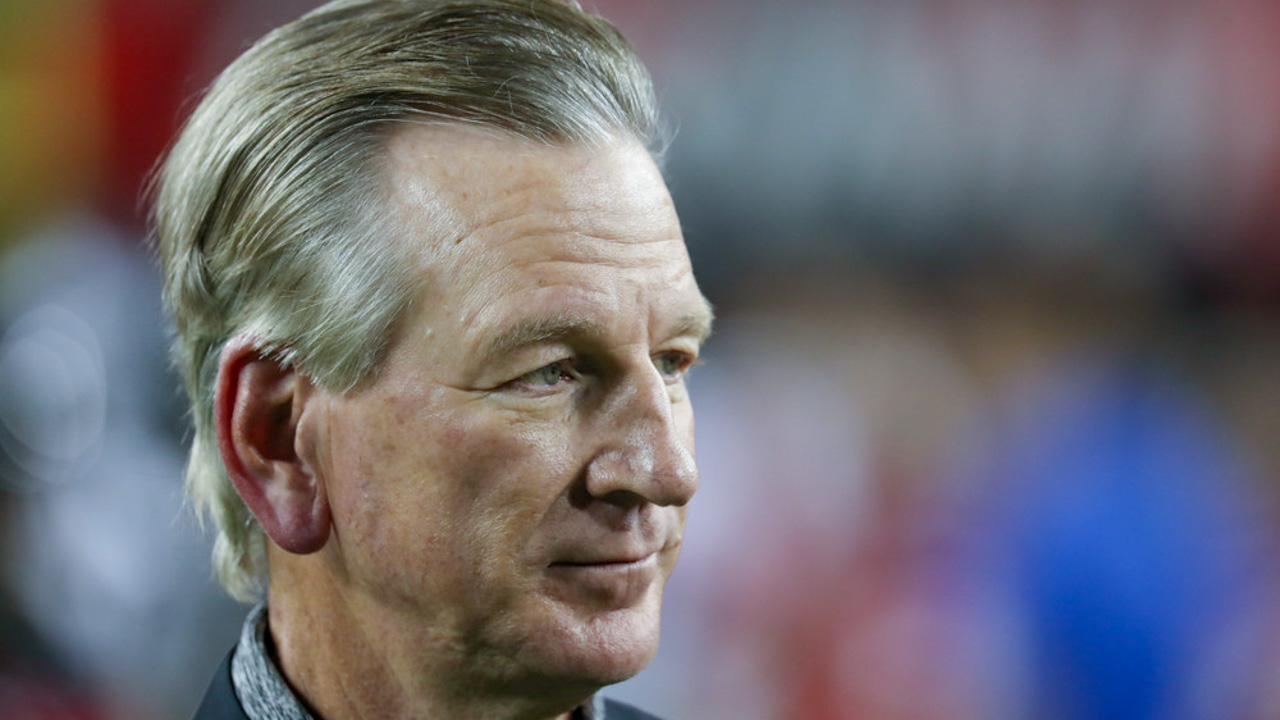
Senators Josh Hawley, Jim Banks and Tommy Tuberville filed an amendment to ensure the PCSA does not overturn state laws banning men from women’s sports. It’s a politically charged subject, and attaching it to the bill could make some senators unwilling to support the underlying legislation. That may even be the point.
Regardless of intent, the amendment adds another hurdle to a bill that already faces the CBC’s opposition and a tight Senate schedule. And that’s despite letters and statements of support from groups like the National Association of Basketball Coaches and institutions like the White House.
The White House has released a statement of administration policy in support of the Protect College Sports Act. Donald Trump has long supported a college sports bill.
The bill is on the brink of a Senate floor vote but it faces hurdles and a time crunch. pic.twitter.com/xvoJqnhhzN
— Ross Dellenger (@RossDellenger) August 6, 2026
Readers familiar with this space won’t be surprised to hear I’m not in favor of the PCSA. I hope it doesn’t reach a full floor vote. The right path is collective bargaining, where athletes have a real seat and a real voice at the table.
The CBC said it clearly:
“While many in this debate view this as a matter of collegiate athletics, the Congressional Black Caucus maintains that this is about political representation. It is about economic opportunity. It is about whether those whose talent built college athletics will have a meaningful voice in determining its future.”
College athletes have been included in the process of drafting the PCSA, but they didn’t have meaningful influence over the text that ended up in the bill.
Collective bargaining gives them that voice.
But people like Nick Saban, NCAA president Charlie Baker and others who benefited for decades from the old model don’t want athletes to have that voice.
Maybe if more groups oppose every piece of legislation designed to “save” or “fix” college sports, the leaders of college sports will finally do what they expect athletes to do.
Roll up their sleeves, dig into the hard work and accomplish the thing they insist can’t be done.