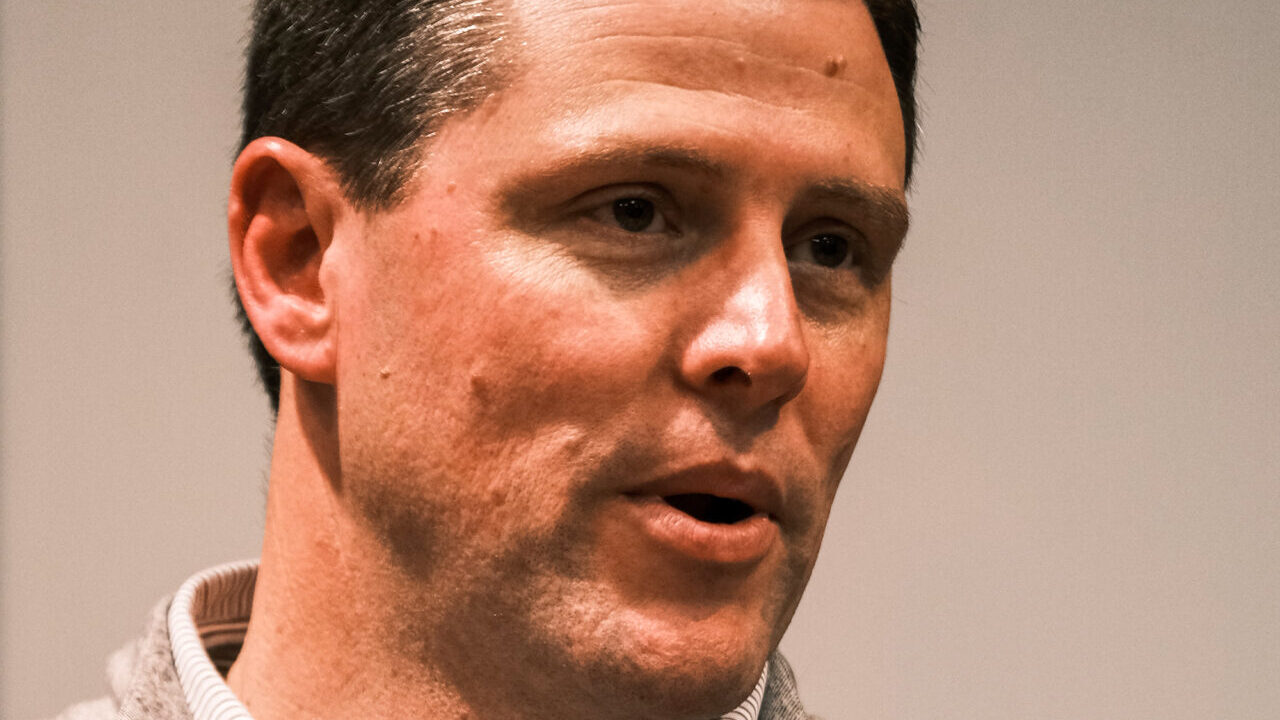
Somebody finally said it out loud, and it happened to be the guy running the athletic department in Oxford.
Ole Miss athletic director Keith Carter told SuperTalk Mississippi flat out that the current college football financial setup isn’t built to last, according to Ben Garrett’s story at OMSpirit.com.
Most administrators tiptoe around that truth in public. Carter just walked right up to it and said the model is broken.
That kind of honesty matters because Ole Miss isn’t some program watching the money chase from the sidelines.
The Rebels are right in the middle of it, trying to keep pace with a roster that helped them reach the College Football Playoff last season.
Fans don’t really want to see them take a step back.
Rising costs pushing college football closer to NFL’s numbers
That’s happened way too often in the history of the football program: reaching the top tier of teams for a few years, then falling like a rock for some more.
In the past, there hasn’t been a single reason for all of that going up and down. The coaches usually get the credit or blame, but there’s enough blame and credit usually to go around.
That’s the honest answer. Some coaches haven’t had the resources they needed. Others were just here to draw a good paycheck. You know which ones fall in the appropriate category.
In the college football world these days, though, it’s starting to turn into just a different version of professional football. As usual, it comes down to the numbers.
Carter pointed to something every fan base is starting to feel in its wallet. Player markets have jumped 50% to 60% during recent transfer portal cycles. Another leap like that could push a single roster’s price tag toward $80 million once other costs get added in.
That number starts creeping into NFL salary cap territory, except it’s paying college kids instead of pros.
“There are probably fewer than five to 10 programs in the country where football is profitable at that stage,” Carter said. He didn’t spare the big boys either, adding that even Texas and Ohio State start bumping into expenses that outrun what they bring in.
Ole Miss chasing new revenue while watching playoff run’s price tag
Carter summed up the balancing act Ole Miss and every other program now face. Donors want championship-caliber rosters loaded with Heisman hopefuls, but somebody has to pay for it, and that math doesn’t work forever.
“The current model, just candidly, isn’t sustainable,” Carter said.
The Rebels are chasing new money wherever they can find it. That apparently includes putting branding on anything they possibly can. Ole Miss is even working on developing an entertainment district of some sort. Plans are being developed.
Progressive signed on to put its logo on the field for the next three years, and Carter noted only one other SEC school, Georgia, has landed a deal like it. Meta’s branding returns for the Egg Bowl too, and jersey patches are coming next.
“The jersey patch is the next thing we’re looking for,” Carter said. “We’ve talked about budgets, stretching dollars and finding new dollars. That’s what it’s all about now.”
Carter still wants some restraint, though. He isn’t interested in turning Vaught-Hemingway into a billboard.
Last season’s playoff push showed both sides of this coin. Hosting the opening-round win over Tulane netted Ole Miss an estimated $3 million to $4 million, but flying the team, band and support staff to both the Sugar Bowl and later the Fiesta Bowl ate into that number fast.
None of this settles down just because the season is about to start. With portal markets still climbing the way Carter described, Ole Miss and every other program keep tweaking rosters right up until kickoff, and that costs money too.
Golding’s first season arrives with sky-high stakes, prices for fans
Pete Golding carries all of that weight into his first year running the whole show as head coach. Louisville gets the first crack at the Rebels when the season kicks off in Nashville on Sept. 6, and the LSU showdown follows two weeks after that.
That game against the Tigers is already being billed as something like Oxford has never seen before. Emotions still run high after the drama in November and December last year.
Tickets are already priced at a mind-numbing number. There’s even a flap going on over students making some huge profits off their tickets because it seems everybody wants one.
There will likely be about five times the number of people claiming to be there than what the whole place will hold.
The cost of coming to Oxford for that weekend is at a price where you have to ask how much it costs — you really can’t afford it. The prices are that high.
But it’s a question bigger than Ole Miss. The Rebels are just trying to maintain the level they’ve achieved.
Staying there is going to be really costly.
Mostly for the fans.