

Miami didn’t win its College Football Playoff quarterfinal against Ohio State by reinventing football.
It won by doing something simpler — and, in some corners of the sport, almost forgotten.
The Hurricanes lined up, hit first, protected the football and waited for the Buckeyes to blink.
They blinked early.
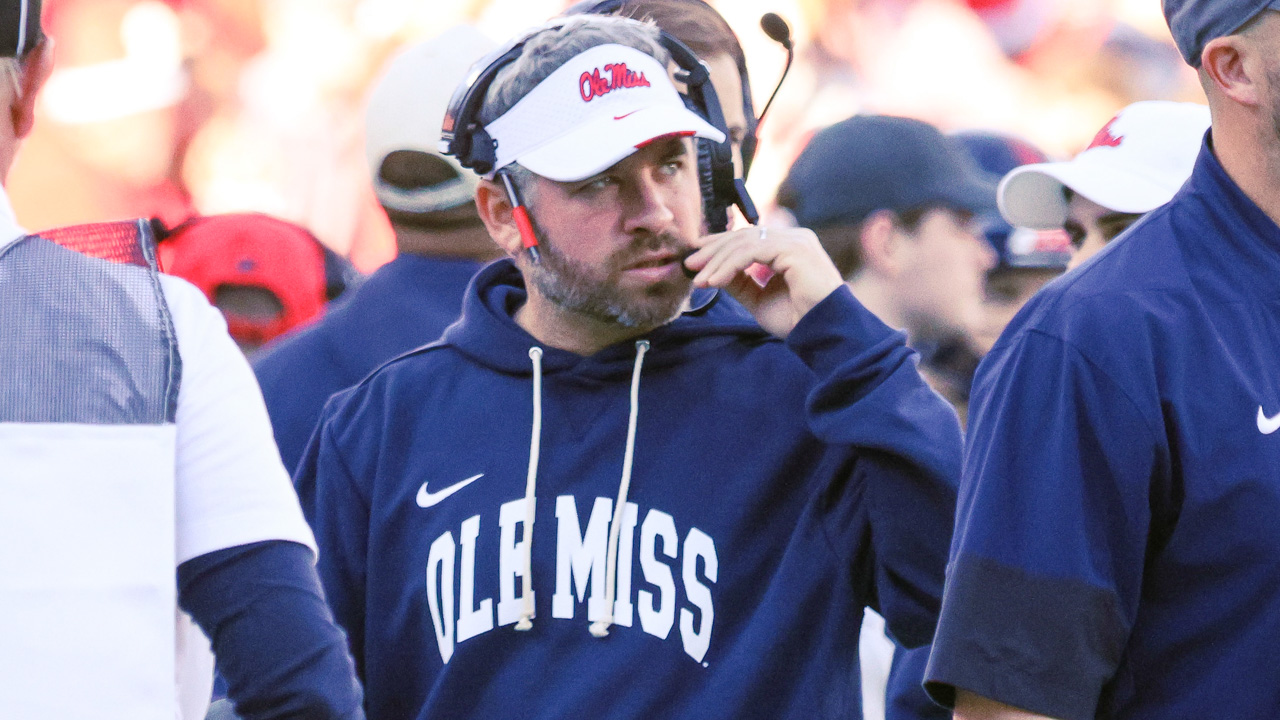
You can probably bet Ole Miss coach Pete Golding was paying at least a little bit of attention or will after he settles some business with Georgia in the Sugar Bowl tonight.
Miami’s defense set the tone from the opening series, forcing punts and uncomfortable throws, and the Hurricanes never really let Ohio State settle into a rhythm.
It wasn’t fast or flashy. It was a deliberate, physical and, most importantly, effective 24-14 win in the AT&T Cotton Bowl on New Year’s Eve that was captivating to watch.
By the time the night ended, Miami had walked out with a controlled win over the Buckeyes and a ticket to the semifinals. The scoreboard mattered, but the style mattered more.
That style — defense first, patience second — is what made this game linger long after the final whistle.
Ohio State entered with expectations and pedigree. Miami entered with a plan.
The Hurricanes jumped ahead early, not by outscoring Ohio State in a track meet, but by capitalizing on mistakes. The defining moment came when Miami’s defense turned a Buckeye miscue into points, flipping the game’s momentum and forcing Ohio State to chase.
From there, Miami leaned on its front seven. Pressure arrived without blitzing itself into trouble. Tackles were made in space. Ohio State drives stalled before they could turn dangerous.
The Buckeyes eventually found points, but never control. Each time they threatened, Miami answered with just enough offense to keep the distance comfortable.
The Hurricanes’ quarterback wasn’t asked to be spectacular. He was asked to be careful. He delivered the ball, avoided turnovers and let the defense handle the heavy lifting. It was the kind of performance that doesn’t light up highlight shows but wins playoff games.
By the fourth quarter, Ohio State looked tight. Miami looked calm.
That’s when the Hurricanes delivered the drive that mattered most — a long, steady march that chewed clock, flipped field position and ended with points. It didn’t slam the door. It quietly closed it.
Win built on defense, not drama
Miami’s approach felt almost stubborn in a playoff era that celebrates offense above all else.
The Hurricanes didn’t panic when Ohio State closed the gap. They didn’t abandon their plan. They trusted their defense to get stops and trusted their offense to avoid mistakes.
That trust showed up in the numbers and in the body language. Miami defenders swarmed the ball. Ohio State quarterbacks rushed throws. Receivers were hit immediately after the catch.
This wasn’t a game decided by trickery. It was decided by who controlled the line of scrimmage and who handled pressure better.
Miami did both.
What made the performance notable wasn’t just that Miami won. It was how the Hurricanes won — by slowing the game down, forcing errors and letting physical defense dictate the terms.
That formula isn’t new. It’s just been pushed aside lately.
Why Ole Miss should be watching closely
Somewhere in Oxford, this game probably didn’t go unnoticed.
With Golding now guiding the Rebels, the idea of defense shaping a program’s identity suddenly feels relevant again.
Golding didn’t build his reputation on fireworks. He built it on pressure, discipline and defenders who can turn games with one snap.
Miami’s performance against Ohio State looked like something pulled from his coaching manual.
The Rebels have spent years defined by offense. Ole Miss scored fast, scored often and asked opponents to keep up.
That approach brought wins, attention and plenty of points.
What it didn’t always bring was control.
Miami showed what control looks like. It looks like third-and-longs and interceptions that flip momentum.
It looks like an offense that doesn’t have to be perfect because the defense is doing the heavy work.
The Hurricanes didn’t ask their offense to win the game. They asked it not to lose it.
That’s a subtle shift, but an important one.
For the Rebs, the takeaway isn’t to copy Miami snap for snap. It’s to recognize that playoff-level football still rewards physical defense full of playmakers, not just tacklers.
Golding’s teams have always chased defenders who attack, not react. Miami’s defense attacked Ohio State all night.
Blueprint still hiding in plain sight
College football loves trends. Right now, the trend says offense sells and defense survives.
Miami flipped that script, at least for one night.
The Hurricanes survived by selling defense — pressure up front, discipline on the back end and opportunistic playmaking when Ohio State gave them an opening.
Ole Miss is in the early stages of figuring out its next version. Golding’s presence suggests defense will matter more than it has in recent seasons. Miami just provided evidence that approach can still beat elite programs when the stakes are highest.
The Rebels may not look like Miami yet. But the idea that they could — tougher, more patient, less frantic — doesn’t feel unrealistic anymore.
Sometimes progress in college football isn’t about inventing something new. Sometimes it’s about remembering what works when games tighten and mistakes cost more.
Miami reminded everyone of that.
Ole Miss may be listening.
Key takeaways
- Miami’s defense dictated the game, forcing mistakes and controlling tempo against Ohio State.
- Offensive patience mattered, as the Hurricanes avoided turnovers and finished drives when needed.
- Ole Miss has reason to pay attention, with Pete Golding’s defense-first philosophy aligning with Miami’s winning formula.