The Protect College Sports Act may actually be headed for a floor vote in the Senate this week.
According to Yahoo! Sports’ Ross Dellenger, Senate majority leader John Thune “filed cloture on the motion to proceed on the Protect College Sports Act. This is the first of several steps in beginning the process for a full vote on the act that could drag on several days and into the weekend.”
Majority Leader John Thune has filed cloture on the motion to proceed on the Protect College Sports Act. This is the first of several steps in beginning the process for a full vote on the act that could drag on several days and into the weekend.
— Ross Dellenger (@RossDellenger) August 5, 2026
The Senate has plenty on its plate before the August recess, so who knows if the bill will actually get a vote.
Five days ago it looked like it was on life support. Then the SEC and Big Ten offered their support late Friday, and suddenly the bill has momentum again.
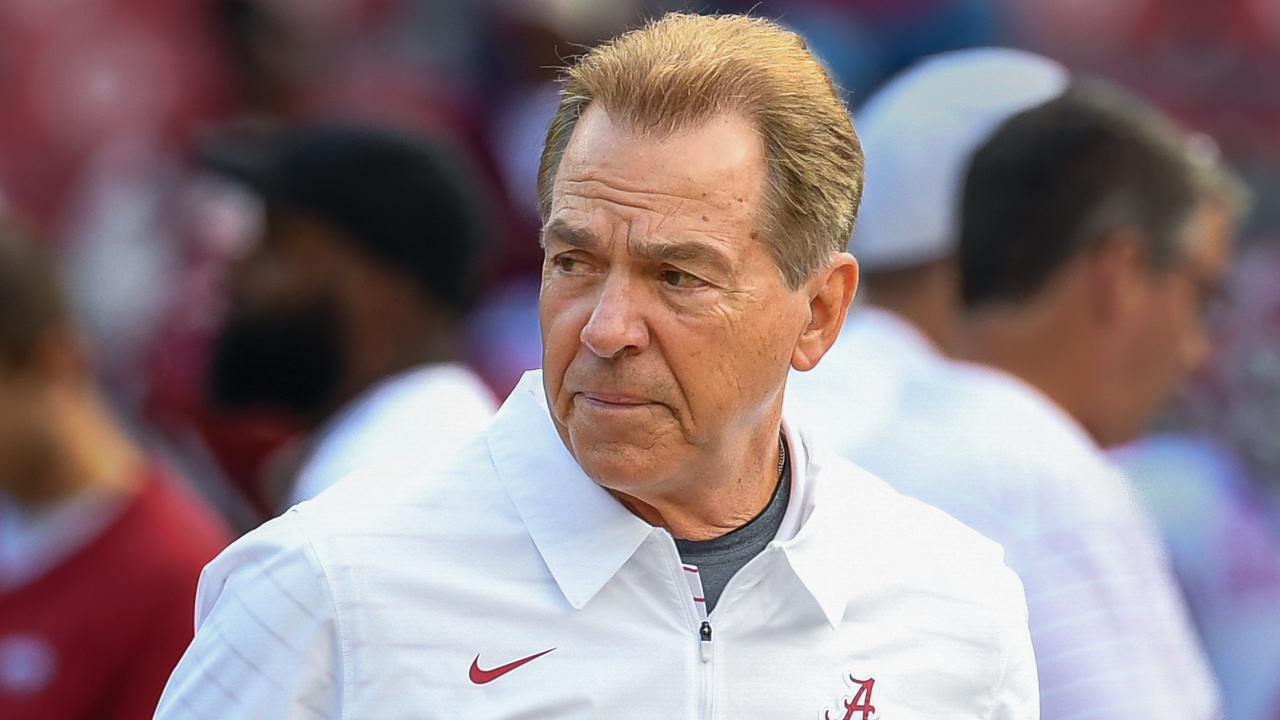
Now we’re seeing the push to convince lawmakers in both chambers to pass it. That includes someone who benefited more than almost anyone from the old model of college sports, Nick Saban. The seven‑time national championship coach co‑authored a letter to Congress with former West Virginia president Gordon Gee.
“Congress must pass the Protect College Sports Act,” they wrote.
Except Congress doesn’t have to pass it. And it shouldn’t. The right way to fix college sports is by giving student‑athletes an actual voice through collective bargaining.
That’s the honest solution.
It’s also the one college leaders keep insisting is too hard, too complicated or too impossible. It’s much easier to run to Congress and ask for a bailout of a mess the NCAA and its leaders created.
Like I said in a previous column, the people saying collective bargaining is too hard are the same ones who would cut a player if that player said something was too hard.
The backbone of sports is built on hard work and proving that impossible things are possible. The NCAA, university presidents, athletic directors and talking heads don’t seem to have that same backbone.
Saban and Gee’s letter also leans on a familiar talking point. Without this bill, non‑revenue sports are in danger. They highlight the opportunities sports like swimming and wrestling have provided student‑athletes.
That’s a red‑herring argument.
Schools never seem to have money problems when it comes to paying eight‑figure buyouts, flying coaches’ families around or hopping across the country in private jets to recruit transfers. The money is there for Olympic sports if schools actually need it. It might require some effort, but there’s no existential crisis looming over those programs.
All of this is an excuse to push through legislation that even Saban and Gee admit isn’t perfect. Their argument is that it’s better than nothing.
But “better than nothing” isn’t good enough when the people most affected by the system still don’t have a seat at the table.