

It seems like more time has passed since 2024 when Ole Miss fielded one of the best defenses the program has ever produced.
That defense accidentally gets overlooked because the Rebels underachieved in that season, missing out on a spot in the inaugural 12-team playoff. A lot has happened since then with Ole Miss making last year’s College Football Playoff and the emergence of superstars Trinidad Chambliss and Kewan Lacy.
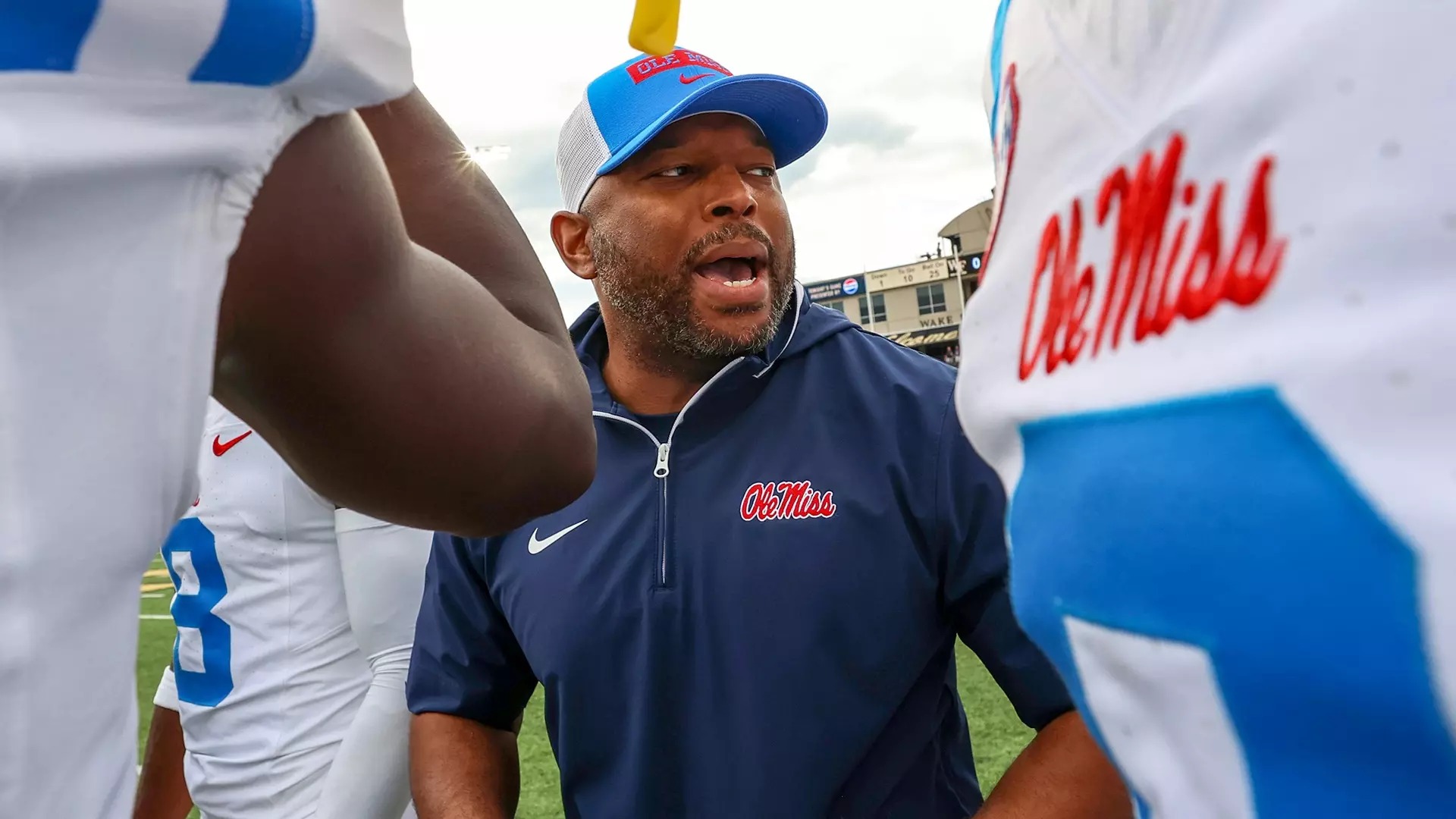
But the 2024 defense has resurfaced in conversations because there’s a growing belief this year’s defense could reach those same heights. It’s no surprise defensive coordinator Bryan Brown was asked about comparing the defenses on Tuesday.
“That 2024 group was really, really talented, and I think this group has a lot of talent as well,” he said. “I think we have a little more depth, especially up front. In the secondary, I think we have a little bit of depth as well. I wouldn’t say right now that this group is going to be better than that group. We have a chance to be if we do things right.”
Comparisons to the 2024 Ole Miss defense are going to happen whether the Rebels’ new defensive coordinator wants them to or not.
That group set the standard.
It wasn’t simply a good defense that happened to play alongside a high-powered offense. It was one of the most disruptive units in college football, loaded with future NFL players and capable of wrecking games before opposing offenses ever had a chance to settle in.
Ole Miss finished the 2024 season allowing 14.4 points and 80.5 rushing yards per game, ranking second nationally in both categories. The Rebels led the country with 9.2 tackles for loss and 4.0 sacks per game, finished third nationally with 52 total sacks and allowed only four runs of 20 or more yards all season.
The 52 sacks and 120 tackles for loss both set school records.
That’s what this year’s defense is being compared to.
And the numbers only tell part of the story.
Walter Nolen became a consensus All-American and first-round NFL Draft pick. Trey Amos went in the second round. Princely Umanmielen followed in the third, Chris Paul Jr. in the fifth and JJ Pegues in the sixth. Jared Ivey, John Saunders Jr. and Trey Washington also eventually reached NFL rosters.
At one point, Ole Miss had six different defenders with at least 10 tackles for loss.
That’s absurd.
And the Rebels’ defensive coordinator is saying this year’s group has a chance to be better than that.
Technically, that’s true every season but there are some similarities between the two that Brown talked about.
“That team had a lot of guys who had played in the SEC,” he said. “We have a lot of guys this year who came through the portal and have played in the SEC, played winning football and come from really good programs.
“We have guys who have played in big stadiums with a lot of people in the stands, and it isn’t going to bother them. That’s something those two groups definitely have in common.”
Ole Miss doesn’t necessarily need to duplicate 2024 statistically to resemble it philosophically.
The Rebels need to stop the run. They need to create negative plays. They need multiple players capable of affecting the quarterback. They need offenses playing second-and-long instead of second-and-five. And they need enough depth that the pressure doesn’t disappear when the starters leave the field.
That’s what made 2024 special.
It wasn’t one superstar. It wasn’t one statistical category. It was the way everything worked together. That’s the standard Ole Miss established two years ago.
Now the question is how close this defense can get to it.