

OXFORD, Miss. — Ole Miss coach Lane Kiffin has grown up. A lot of people outside of here don’t seem to believe it.
It happens to everyone. Some of us take at least that many years and I’m throwing myself right in that group.
Having kids in college and looking back over decades will tend to do that after you lose both parents, who are sometimes the only people that don’t give up on you when you make immature decisions.
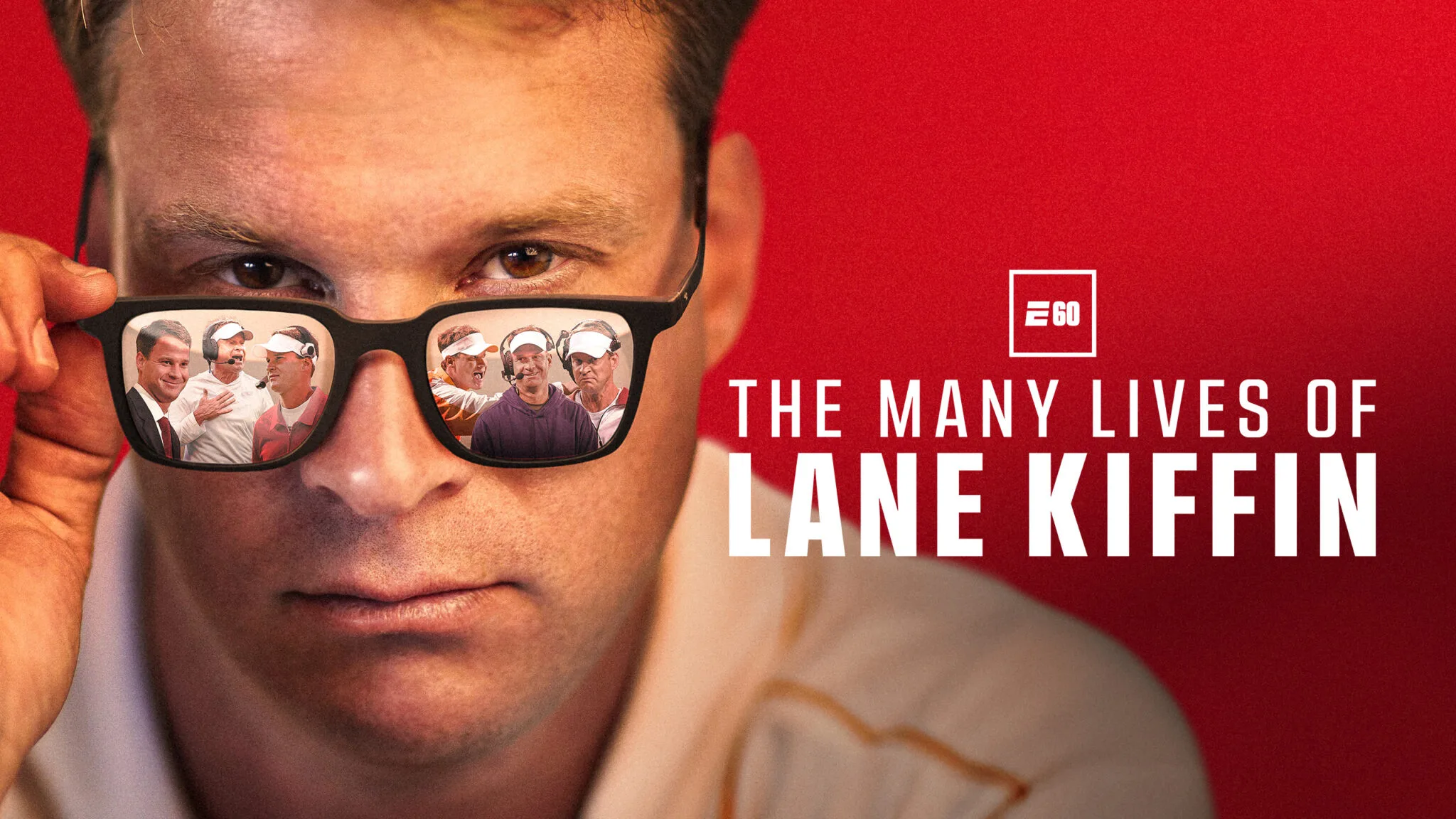
As Kiffin enters his sixth season leading Ole Miss, ESPN’s upcoming E60 documentary, The Many Lives of Lane Kiffin, casts light on both the well-known controversies and lesser-seen personal transformations of one of college football’s most discussed head coaches.
The film, premiering Sept. 24 at 6 p.m., explores how at age 50, Kiffin is re-thinking his journey, including sobriety, a focus on family, and his identity beyond the headlines.
Kiffin’s trajectory to public recognition came quickly. He began head coaching in the National Football League with the Oakland Raiders at age 31, a startling rise that presaged several dramatic exits.
Former press conferences, including the legendary moment at Los Angeles International Airport when USC moved on without him, and abrupt job changes with Tennessee and USC have long shaped his reputation.
But in E60, Kiffin directly addresses those moments, framing them within a broader narrative of growth. He reflects on the chaotic parts of his career.
Those “infamous firings,” dramatic exits, and social media fodder are essential to who he is today.
Sobriety, self-improvement, family
One of the big parts of the film is Kiffin’s openness about sobriety. At 50, he discusses his commitment to staying sober and his efforts toward self-improvement.
Among the practices he mentions is hot yoga. The documentary also includes interviews with his children, Landry and Knox, as well as archival recordings of his father, Monte Kiffin, whose legacy in football looms large.
Family, long a stabilizing force behind the scenes, is foregrounded in parts of E60 that haven’t been as prominent in public coverage before.
Kiffin’s attention to his role as a father, beyond his role as a coach and media figure, shapes much of his current motivations.
On the field, Kiffin’s Ole Miss teams have delivered results. The Rebels have notched multiple 10-win campaigns during his tenure, including a program-best 11-win season in 2023.
Those achievements show how his tenure in Oxford has become the longest continuous stretch of his coaching career. By all appearances, he may have settled in and doesn’t appear too interested in going anywhere.
When a coach doesn’t need the money, has a fan base that embraces him for the most part and he’s building something bigger than maybe even he realizes, there’s no need to leave.
The documentary doesn’t shy away from scrutiny of his past abrupt exits, of his media presence, and of the expectations that come with leading a major program in the SEC.
Kiffin acknowledges that much of his reputation has been shaped by what people see — social media, dramatic moments, the “fire exit” headlines — but says that now he’s trying to be more deliberate.
Broader voices: What others say
In addition to Kiffin, E60 includes interviews with figures who have been intertwined with his career. Pete Carroll, who first hired him as an assistant, reflects on Kiffin’s early rise.
Nick Saban, who worked with him during his time at Alabama, adds perspective on his coaching strengths and challenges.
Steve Sarkisian, along with columnists and commentators such as Bill Plaschke, Ray Ratto, Paul Finebaum and Chris Low, weigh in on his public and private personas.
These voices help place Kiffin’s story in context. Not just as one coach’s journey, but within the shifting landscape of college football.
The documentary suggests that Kiffin’s story mirrors the sport itself, where media, perception, and identity are as significant as game results.
With E60 debuting just before Ole Miss’ rivalry matchup against LSU on Sept. 27, the timing suggests both reflection and forward motion.
Kiffin’s legacy, however, will ultimately rest on what happens in games and how his teams respond, how he leads, and how the public and media view him beyond the controversial moments that have long defined him.
Looking ahead: Legacy, rest of season
He’s in the longest head-coaching stretch of his nearly 30-year coaching career at Ole Miss, a fact not lost on commentators.
The school, the fans, and the coaching community are watching to see if this phase delivers sustained success.
For Kiffin, this moment is about more than wins. It’s about crafting a legacy that includes growth and resilience, one that acknowledges the turbulence of the past while striving for stability in the present.
His reflections in E60 suggest he’s ready to be measured not just by his reputation as a provocateur, but as a coach and father who has learned along the way.
Key takeaways
• Transformation in focus — Lane Kiffin is increasingly presenting himself beyond wins and headlines, emphasizing sobriety, family, and identity.
• Results backing the narrative — Ole Miss’ performance under Kiffin (multiple 10-win seasons, program-best record) provides credibility to his longer-term project.
• Legacy under construction — The E60 documentary suggests that Kiffin is consciously examining how he wants to be remembered, not just as a polarizing figure but as someone who evolved.