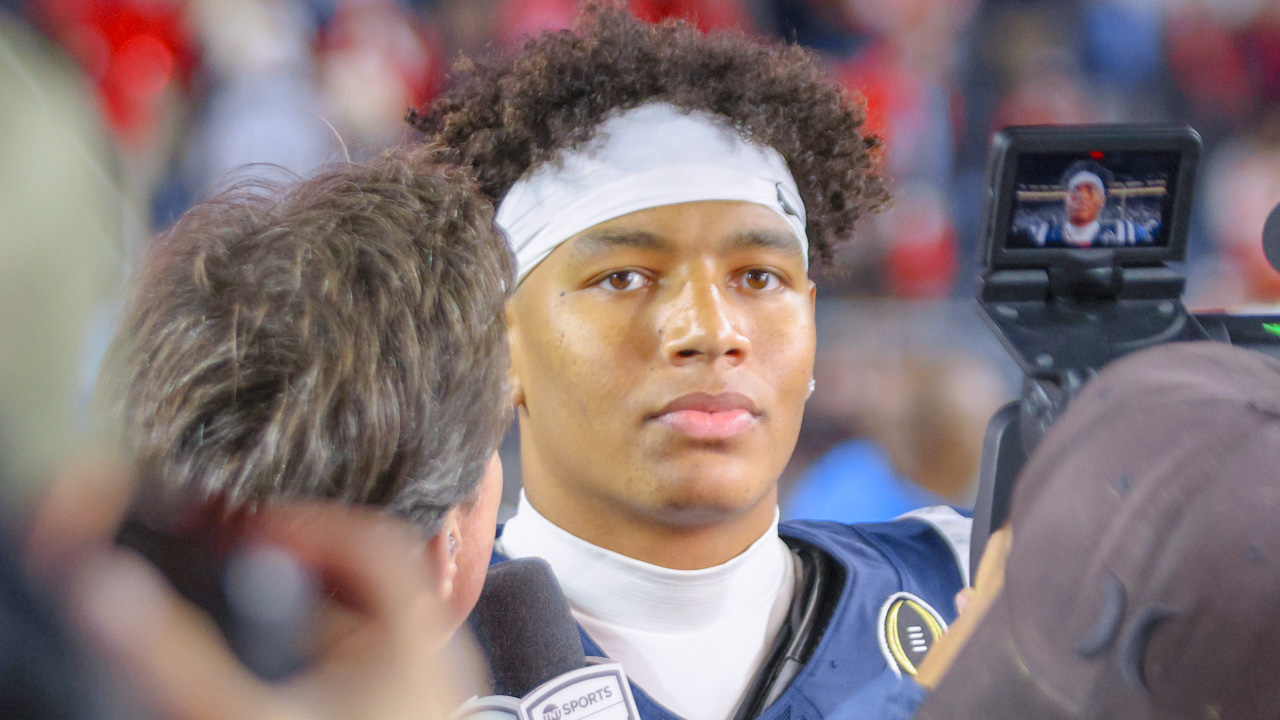
Ole Miss quarterback Trinidad Chambliss has been winner. He won the Division II national championship and just led the Rebels to one of their greatest seasons ever.
Now, he’s going to try and carry that winning energy into a different environment: the legal system.
Per ESPN’s Pete Thamel, attorney Tom Mars will be filing a lawsuit against the NCAA this week in Mississippi state court. The suit will seek a preliminary injunction to allow Chambliss to play as the proceedings unfold. On Friday, Chambliss suffered a big defeat when the NCAA denied his waiver for another year of eligibility.
NEWS: Lawyers for Ole Miss QB Trinidad Chambliss plan to file suit against the NCAA this week in state court in Mississippi for a preliminary injunction to secure Chambliss’ eligibility for 2026. Lawyer Tom Mars will work with noted Mississippi trial lawyer William Liston. pic.twitter.com/vse9z0jEQm
— Pete Thamel (@PeteThamel) January 12, 2026
in an interesting wrinkle to this whole situation, Mars will be joined by trial lawyer William Liston, who is also the founder and general counsel for The Grove Collective, Ole Miss’ collective for athletes.
“We expect the lawsuit to be far more detailed and documented than other eligibility lawsuits that have been filed in the past year,” Mars said Sunday. “Therefore, considerable work needs to be done before we’ll be prepared to seek an injunction that would allow Trinidad to play next season.”
The preliminary injunction is the goal here. Chambliss just needs a judge to say, basically, that he can continue being a member of the Ole Miss football team as the case goes through the legal system.
Considering how slow the legal system works, a final ruling on the lawsuit might not come until 2027. At that point, the 2026 season will be over and the whole case would be a moot point.
Will it work?
A party seeking a preliminary injunction has to meet certain standards.
For one the party must show it will suffer irreparable harm if the injunction isn’t granted. It must also show the injunction wouldn’t harm the opposing party (in this case, the NCAA) and that there’s a likelihood of success on the merits of the case.
Based on those first two points of criteria, Chambliss has a good chance at getting the injunction. The NCAA isn’t harmed by Chambliss playing. It’s not like the organization will lose millions of dollars if Chambliss plays in 2026.
Chambliss could lose millions if the injunction isn’t granted and he has to take a pay cut and go to the NFL.
Whether or not the injunction is granted will hinge on a judge’s interpretation of the merits of the case. If they think the case will succeed, the injunction will be granted. If not, then that’s a sign everyone might want to consider moving on from this.