College sports wanted clarity. For a moment late Friday night, it looked like it might get it.
Instead, it’s getting a weekend that will reshape the entire 2026-27 academic year.
On the same night the Big Ten and SEC reportedly voted to support the Protect College Sports Act, a federal judge in Colorado granted a class-wide preliminary injunction. The ruling gives athletes from the high school class of 2022 — players who just completed their fourth college seasons — an immediate path to a fifth year of eligibility.
BREAKING: Judge Charlotte Sweeney of the U.S. District Court of Colorado has granted a class-wide preliminary injunction that requires the NCAA to declare eligible *all* HS class of 2022 athletes who exhausted four seasons of eligibility this spring.
— Sam C. Ehrlich (@samcehrlich) July 31, 2026
It’s not hypothetical. It’s not theoretical. It’s real, and it’s already happening.
Let chaos reign supreme, right?
This ruling doesn’t just hit the major sports like football and basketball. It hits every sport.
Track. Volleyball. Soccer. Softball. Tennis. Golf. Swimming. You name it. Programs across the country now have to determine whether affected players want to return, if the roster space exists and if there is enough money available to make it work.
Most teams already finalized their rosters. Most revenue‑sharing money has already been allocated. Most NIL budgets are already spoken for.
But now coaches and administrators have to decide, in real time, whether they can squeeze in returning veterans who suddenly have a legal right to play again.
The reports started rolling in immediately.
AJ Storr, who played for Ole Miss last season, is reportedly planning to enter the transfer portal.
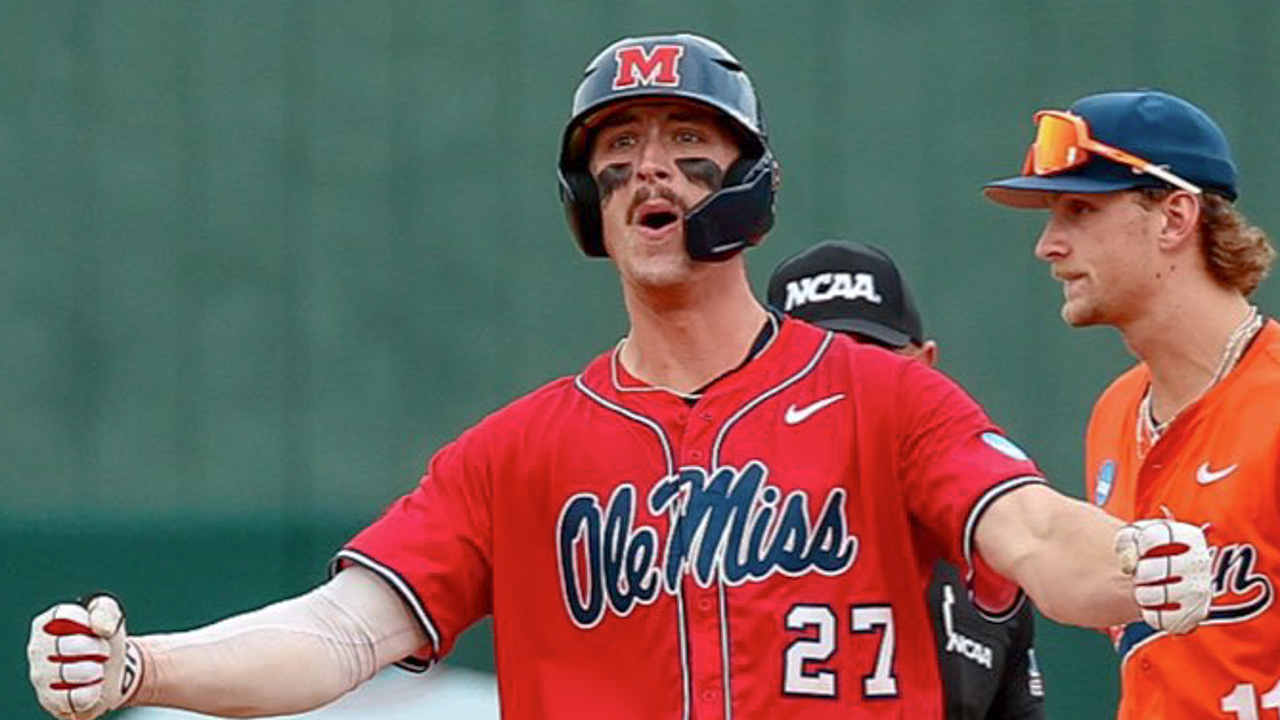
On the baseball side, Rebels247’s Chase Parham reported that Judd Utermark and Will Furniss are weighing their options.
“Utermark and Furniss are both interested in coming back to some degree. And maybe one or both very much interested to the point I expect it…nothing definitive yet.”
Don’t turn that into a prediction. Don’t turn it into a guarantee. We’ll get into that tomorrow.
The point today is that the possibility isn’t fantasy anymore. It’s reality. Players who were done with college sports yesterday are suddenly back in play.
And that’s before you even get to the football angle. On3 reported that front offices are already wondering whether undrafted free agents from April’s NFL draft will explore a return to college.
Imagine being an NFL rookie who didn’t get drafted, but maybe got an invitation to training camp that likely won’t turn into a spot on the 53-man roster. That player now has a chance to go back to school, earn more money than they would at the bottom of the NFL totem pole and reset his career.
That’s not a small thing.
The NCAA’s response was predictable. President Charlie Baker immediately pointed to Congress and the Protect College Sports Act, saying:
“Today’s rulings and the chaos they bring to college sports are exactly why it’s time to pass this bill.”
And that’s the other part of this weekend.
The Big Ten and SEC reportedly voted to support the Protect College Sports Act, a move that could reshape how rules are made and enforced across the country.
The SEC has joined the Big Ten in voting to support the Protect College Sports Act, thrusting the legislation forward for a possible vote next week. https://t.co/TP85cRbYni
— Ross Dellenger (@RossDellenger) August 1, 2026
Pair that with Friday’s injunction, and college sports has entered one of its most consequential weekends in years.
This is the new era. It’s messy. It’s complicated. It’s going to frustrate coaches, compliance departments and administrators in every conference.
But it’s also the truth: the old system is gone, and the new one is being built in real time.
In short, let chaos reign.