This article is for general informational purposes only and does not constitute legal advice or create an attorney-client relationship.
The money arrives, the athlete signs and the fans celebrate. But what happens if the athlete leaves?
For the school or collective that paid him, the question is immediate: Can we get our money back?
For the athlete, another question follows: Can transferring to another school leave me owing money I have already spent?
These are no longer hypothetical concerns.
As college athletics becomes a business of substantial payments and negotiated agreements, both sides need to understand that the consequences may last longer than the relationship.
Consider Arkansas’ 2025 saga.
After quarterback Madden Iamaleava transferred to UCLA in 2025, Arkansas Edge, the school’s NIL collective, retained counsel to pursue enforcement of a buyout provision in his agreement.
That development should not be confused with a court ruling that the provision was enforceable. But it demonstrated a willingness to pursue contractual remedies when an athlete leaves.
Ole Miss takes transfer disputes to court
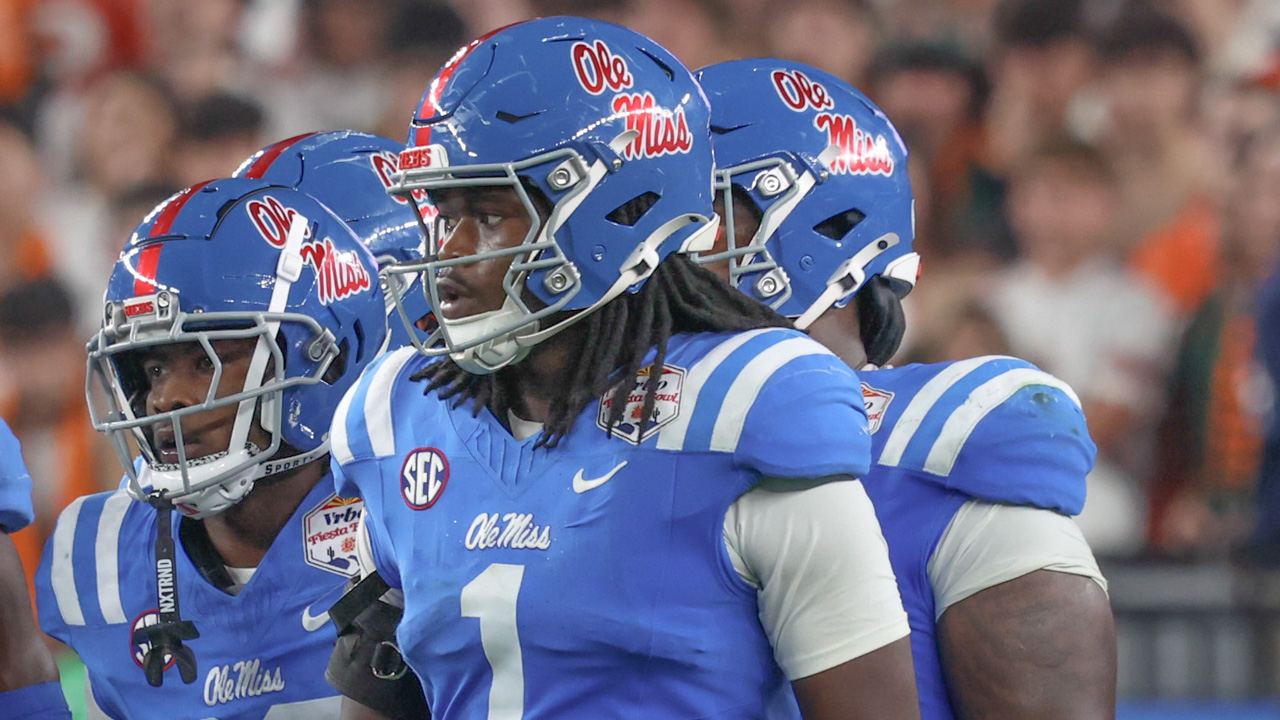
Ole Miss went a step further. It filed breach-of-contract lawsuits against former players Princewill Umanmielen and Devin Harper following their transfers to LSU.
The university seeks $550,000 and $400,000, respectively, under early-termination provisions in revenue-sharing agreements.
Those are allegations and demands, not established debts merely because lawsuits were filed. The distinction matters because a lawsuit tells us what one side claims. A judgment determines what that side has proved.
It also matters who made the agreement. A school’s revenue-sharing contract and a third-party name, image and likeness agreement are different arrangements.
Institutional revenue sharing permits schools to pay athletes directly within an established cap. Third-party NIL involves businesses or individuals paying for the commercial use of an athlete’s identity.
Fans may call everything “NIL,” but the legal analysis requires greater precision.
What athletes should ask about the money
To better understand the analysis, let’s start with the money itself.
Was it payment for promotional work already completed? An advance for appearances scheduled throughout the year? Compensation for rights to use the athlete’s image? Or did the agreement impose a separate payment if the athlete left early?
Those questions can produce very different answers. Transferring does not, by itself, establish that every dollar previously received must be returned.
Nor should an athlete assume that the ability to transfer cancels obligations under a separate agreement.
For students, this is the warning: Read the exit provisions before celebrating the entrance payment. Ask when the money becomes earned.
What happens if you transfer, become injured or lose your place on the roster? Can the other side terminate payments while retaining rights to your image? Must you repay an advance? Could an early departure trigger a buyout exceeding the money you received?
A young athlete may understand the amount on the first page while missing the financial exposure several pages later. Parents and agents should insist on independent legal advice before signing.
Where an athlete is a minor, capacity and enforceability require additional attention under the applicable law. A parent’s involvement should not be treated as a substitute for that analysis.
Why a big number does not guarantee recovery
Schools and collectives need to exercise equal care.
An upfront payment may help secure a commitment, but it also places money at risk before future obligations have been performed.
The agreement should clearly identify those obligations, the payment schedule and what happens upon termination. Consider whether installments tied to defined obligations would provide better protection than a large advance.
Do not assume that inserting an intimidating dollar amount guarantees recovery. Courts generally distinguish enforceable provisions fixing damages from provisions that operate as unlawful penalties.
Arkansas and Mississippi decisions, for example, examine the substance of such provisions and their relationship to anticipated harm. The label attached to a clause does not settle the question.
Whether a particular transfer provision survives scrutiny will depend on its terms, the facts and applicable law.
Both sides also need to consider the cost of enforcing — or defending — the agreement. A strong claim can still require substantial time and expense.
A judgment does not guarantee collection. An athlete who expects the next school to cover a buyout should obtain a clear written commitment rather than rely on recruiting assurances.
Better agreements before more lawsuits
These disputes should encourage better agreements before they encourage more lawsuits.
Students deserve understandable terms and a fair opportunity to obtain advice. Schools and collectives deserve clarity about what their money purchases and what remedies may be available if promised obligations go unfulfilled.
The caution runs both ways. An athlete should not mistake an advance for money without conditions. A school should not mistake a signature for guaranteed protection.
Before anyone signs or pays, both sides should ask the same question: If this relationship ends tomorrow, what happens next?
Deborah A. Wilson is a Georgetown University Law Center graduate, a Northern Virginia attorney, and author of the speculative novel The Seam: Secrets Beneath the North Pole.