

One of the biggest questions of the college football offseason was would Trinidad Chambliss play college football in 2026?
That answer was chiseled into stone last month when the Mississippi Supreme Court denied the NCAA’s request for an expedited interlocutory review of a lower-court ruling granting Chambliss a preliminary injunction.
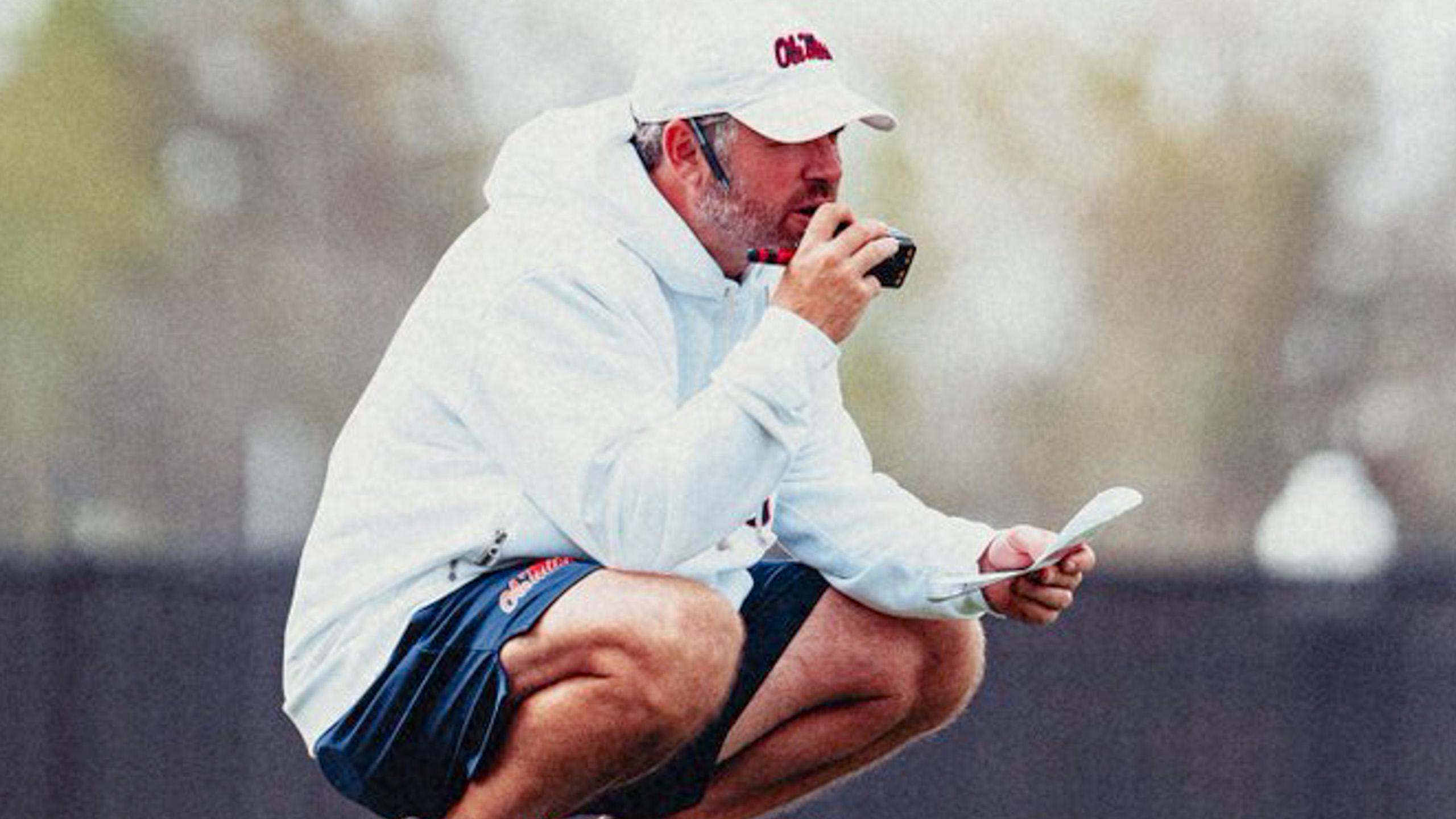
But that wasn’t a fast process and the offseason waits for no one. So, while also dealing with everything that comes with taking over a new program, Pete Golding had that drama to deal with while also working the transfer portal.
In a recent interview with ESPN’s Greg McElroy, Golding talked about that time period and how Ole Miss supported Chambliss during that time period.
“It was taking a step at a time,” Golding said to McElroy. “The first piece for us was, all right, we have to retain him because if it does get cleared, I know I want him on my football team.
“He’s got to make a decision based on if he is going to be eligible, and we’ve got to do a good job from a retention component. Are we going to keep the system the same? What are the pieces we’re going to put around him? From a development component, is this quarterback coach going to change?
“There were a lot of questions there that he needed answers to and his camp needed answers to.”
The first decision was made in January when Ole Miss announced Chambliss had agreed to a deal to be with the Rebels in 2026, should he gain the eligibility. It was an easy choice for Ole Miss to want Chambliss back.
He threw for 3,937 yards and 22 touchdowns last season. He finished third in Ole Miss history in single-season total offense (4,464) and passing. Chambliss received the eighth-most votes for the Heisman Trophy, awarded annually to college football’s best player.
Once that decision was made, the other building blocks started to be put into place.
“The number one thing first was, all right, how are we going to continue to develop you and put the pieces around you to be able to have an even better year next year?” Golding said.
“Once we got that piece of it and it was like, all right, I feel good, I’m definitely staying, this is where I want to continue to create my legacy, which he did an unbelievable job of in one season, then the next one was, all right, now all we can focus on is controlling what we can control.
“We’ve got two things: You’ve got to help us recruit our roster in case you are eligible because good players want to play with good players. Then, number two, if you’re not eligible, you’ve still got to be preparing for the draft.”
In February, Chambliss was granted the preliminary injunction that made him eligible to play.
“He was awesome about it,” Golding said. “He’s got a great mom and dad. He’s got a good agent and all that. Joe did a great job with him throughout the process.
“We took it one piece at a time. Retention first, recruitment second for our roster, the development component third, and then just trying to really focus on controlling what we control, get in a really good routine, still work out, be around the team. You’re the starting quarterback until you’re not.”
Ole Miss supplemented the offensive roster around Chambliss with 17 transfers, including five wide receivers and three running backs.
“How I presented it to him [was] right now, once we got the court injunction, it was, ‘Hey, you’re our leader, you’re our quarterback, we’re doing everything. You’re running the meeting. You’re taking the one reps. There ain’t any of that.’ Then we’ll still work you out on the side just in case,” Golding said.