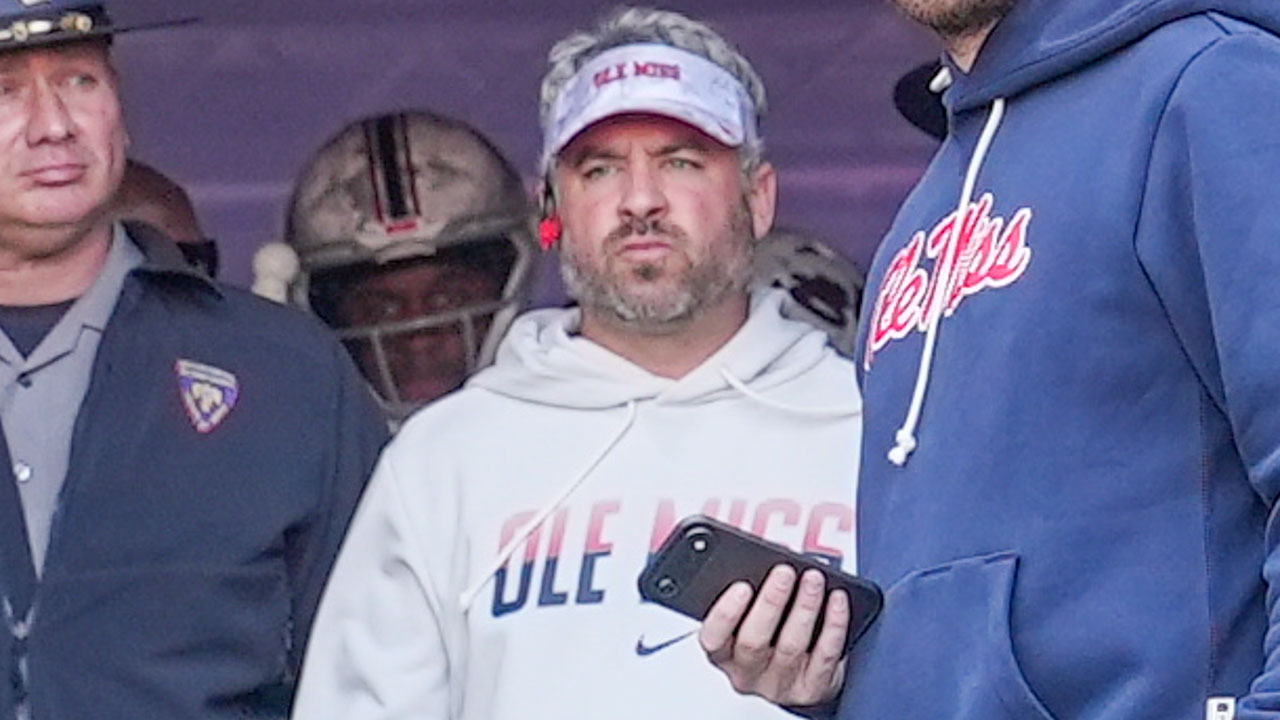
Ole Miss head football coach Pete Golding may have inadvertently raised one of the most important legal questions facing collegiate athletics today.
His recent characterization of recruiting visits as job interviews reflects more than a change in recruiting philosophy. It may signal a fundamental transformation in the relationship between universities and student-athletes.
As reported by Andy Hodges in HottyToddy on November 19, Golding outlined an approach to roster management that incorporates performance evaluations, compensation adjustments, playing-time incentives and decisions regarding player retention.
His philosophy reflects a growing recognition that universities must exercise greater financial discipline in an increasingly expensive collegiate athletic environment.
While I can appreciate Golding’s approach from a business perspective, from a legal perspective, it raises an entirely different set of questions.
If universities recruit athletes like employees, evaluate them like employees, compensate them based on performance like employees and decline to retain them like employees, at what point must universities confront the legal implications of an employer-employee relationship?
Accountability works both ways
Let me say up front that there is nothing inherently unreasonable about expecting accountability from individuals receiving substantial financial compensation.
Universities are investing millions of dollars in athletic talent with the expectation that those investments will translate into competitive success.
Coaches are under tremendous pressure to produce results, while athletic departments must balance increasingly complex financial obligations.
Golding’s approach reflects the economic realities of this changing environment. His willingness to evaluate player compensation against actual contributions may represent a responsible business decision rather than a departure from the values of collegiate athletics.
There is nothing inherently wrong with this approach but accountability can’t be a one-way street.
If universities opt to adopt compensation models resembling those found in traditional employment relationships, they must also be willing to consider the protections historically associated with those relationships
In my view, one of the most intriguing aspects of Golding’s approach involves linking compensation to playing time.
Who controls the playing time?
For me, the obvious question is who ultimately controls whether an athlete reaches a particular threshold, given that playing time depends on many factors beyond a player’s control. Stated differently, what happens when a player performs well in practice but receives limited playing time because of a coaching decision?
Should an athlete bear the financial consequences of decisions made by the very institution responsible for determining his compensation?
These questions illustrate the importance of carefully drafted contracts, objective performance standards and meaningful avenues for resolving disputes.
An even more troubling issue arises when compensation is tied to physical participation in a sport inherently associated with significant injury risks. Consider an athlete who sustains a concussion late in the season and is approaching the contractual threshold necessary to receive additional compensation.
Would the possibility of losing income influence his desire to disclose symptoms? Would this athlete feel compelled to return to competition before fully recovering, to avoid losing compensation? Moreover, what happens when an independent medical professional determines that an athlete cannot safely return to the field?
In previous discussions concerning NIL compensation and athlete insurance, I have raised questions regarding how the financial value of collegiate athletes should be protected when injuries interfere with their ability to compete.
However, this performance-based compensation introduces another dimension to that discussion.
Universities must ensure that financial incentives do not inadvertently undermine the medical safeguards designed to protect athletes. An athlete should never be forced to choose between protecting his long-term health and preserving his financial security.
Courts are already weighing employee status
The legal debate surrounding collegiate athletes and employment status is already underway. In its 2024 decision in Johnson v. NCAA, the United States Court of Appeals for the Third Circuit rejected the proposition that collegiate athletes are categorically excluded from employee status under the Fair Labor Standards Act simply because of their traditional classification as amateurs.
Although the court did not declare collegiate athletes to be employees, it recognized that the economic realities of their relationships with universities must be examined.
Among the relevant considerations are the services performed, who benefits from those services, the degree of institutional control and the compensation received. Golding’s approach makes those considerations increasingly difficult to ignore.
The revenue-sharing arrangements permitted under the House v. NCAA settlement further complicate the issue. Traditional third-party NIL agreements compensate athletes for the commercial use of their names, images and likenesses. Direct institutional compensation introduces a different economic relationship that warrants independent legal scrutiny.
Neither revenue sharing nor performance-based compensation automatically establishes employee status. However, the cumulative characteristics of these arrangements may become increasingly relevant in future litigation.
If certain collegiate athletes are ultimately classified as employees, universities could face additional questions involving wage and hour requirements, workers’ compensation, workplace protections and collective bargaining rights, depending on applicable federal and state laws.
What athletes may be entitled to demand
In conclusion, Golding should not be criticized simply for recognizing the financial realities confronting collegiate athletics. Indeed, his candor may help advance a conversation that universities can no longer afford to avoid. Ole Miss may simply be articulating what many other universities are already contemplating.
But if recruiting visits are now job interviews, performance determines compensation and continued participation depends on an athlete’s economic value to the institution, perhaps the next conversation in collegiate athletics should focus less on what universities are entitled to demand from their athletes and more on what athletes may be legally entitled to demand from their universities.
If collegiate athletes are increasingly expected to assume the responsibilities of professional employees, maybe universities also be prepared to assume the responsibilities of professional employers?
Deborah A. Wilson is a practicing attorney in Northern Virginia, published commentator, avid sports fan, and author of the speculative fiction novel The Seam: Secrets Beneath the North Pole. Her commentary explores the intersection of law, public policy, culture, and collegiate athletics.
Legal Disclaimer: This article is provided for informational and commentary purposes only and does not constitute legal advice. The views expressed are those of the author and should not be construed as a legal opinion concerning any particular institution, conference, organization, or individual. Nothing in this article creates an attorney-client relationship.